For Muslim patients in Dubai considering Botox or dermal fillers, the question of permissibility is a genuine and reasonable one. The answer isn’t simple because Islamic scholars don’t all agree, and the rulings vary depending on factors including intention, degree of change, and the temporary versus permanent nature of the treatment.
This guide explains what Botox and fillers actually contain, summarises the key points of the scholarly discussion, and outlines what to look for in a Dubai clinic if permissibility matters to you.
What Botox Actually Is
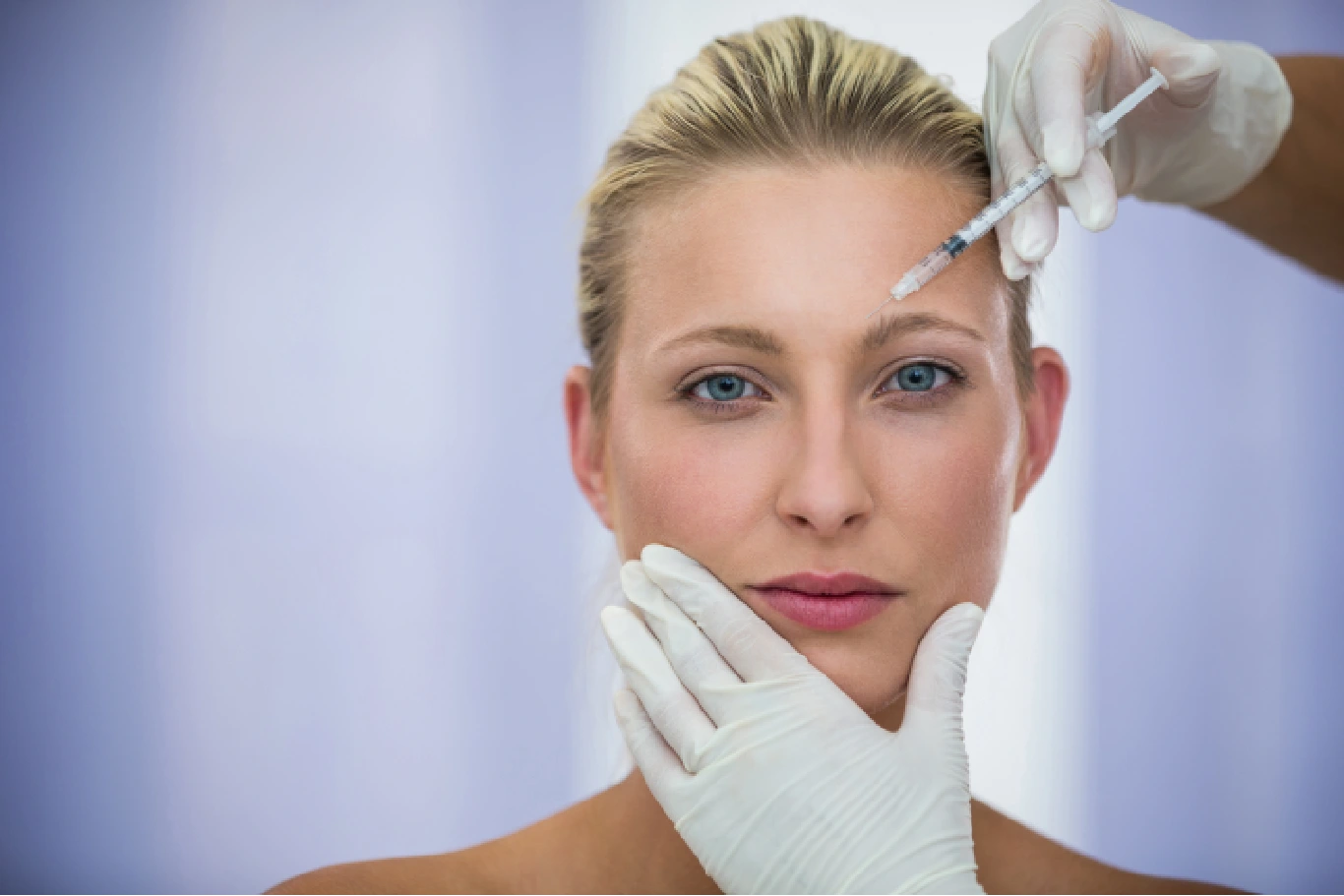
Botox is a brand name for botulinum toxin type A, a purified neurotoxin derived from the bacterium Clostridium botulinum. It works by temporarily blocking the nerve signal that causes a muscle to contract. When injected into specific facial muscles, the reduced muscle movement softens the appearance of dynamic lines and wrinkles. The effect typically lasts three to six months before the nerve signal gradually returns and the muscle function restores.
The active ingredient itself has no animal-derived components. The formulation of some botulinum toxin products historically included human serum albumin as a carrier protein and lactose as a stabiliser. Current formulations of major products (Botox, Dysport, Xeomin) vary slightly in their composition, and some have moved away from human albumin. The bacterium source is not an animal, and the toxin is a purified protein — not a porcine or bovine derivative.
What Dermal Fillers Are
Dermal fillers are a broader category. The most common type used in aesthetic practice globally — and in Dubai specifically — is hyaluronic acid (HA) filler. Hyaluronic acid is a naturally occurring substance found in human connective tissue, skin, and synovial fluid. The HA in commercially produced fillers is synthesised through bacterial fermentation using streptococcal bacteria, not derived from animal tissue. Major HA filler brands (Juvederm, Restylane, Belotero) use synthetically produced, non-animal-sourced HA.
Other filler types include collagen-stimulating injectables (such as poly-L-lactic acid or calcium hydroxyapatite) and, historically, collagen-based fillers derived from bovine sources. Bovine collagen fillers are largely obsolete in modern practice and have been replaced by the HA category. PRP and autologous fat are derived from the patient’s own blood or tissue — see PRP and Autologous Options in Dubai for more on these.
The Islamic Scholarly Discussion
Islamic jurisprudence on cosmetic procedures generally centres on two key principles: the prohibition on changing what Allah has created (taghyir khalqillah), and the permissibility of treatment for genuine medical or corrective need.
On the question of cosmetic Botox and fillers, scholars are not unified. Several positions exist:
Permissible because temporary: A widely held view is that the prohibitions on altering appearance apply to permanent changes. Because Botox wears off in three to six months and HA fillers dissolve within six to eighteen months depending on product and area, they are considered non-permanent interventions. Many Muslim scholars and patients who accept this position view these treatments similarly to temporary grooming practices.
Permissible for medical or corrective use: Scholarly consensus is broader on Botox and fillers when used medically — treating hyperhidrosis (excessive sweating), managing migraines, treating TMJ pain, or correcting asymmetry resulting from injury or congenital differences. Dubai’s patient population includes many people using Botox and fillers for these indications where permissibility is less disputed.
More cautious positions on fillers: Some scholars draw a distinction between Botox (which relaxes a muscle temporarily without adding foreign substance) and fillers (which add volume using an injected material). Fillers can also last longer than Botox, and the degree of visible change can be more significant. Those taking a more conservative position tend to view fillers with more scrutiny than Botox, particularly when the purpose is primarily cosmetic enhancement rather than restoration or correction.
Ingredient concerns: For patients concerned about ingredient sources, the key questions are whether the product contains any porcine-derived components (most modern HA fillers do not), whether human albumin is present (product-specific — ask your clinic), and whether the product has any certification relevant to your personal requirements. Some clinics in Dubai hold DHA licences and stock products from specific manufacturers that patients can verify independently.
The decision ultimately rests with the individual and, for many patients, with their own scholar or religious advisor. This guide presents the discussion rather than a ruling.
What to Ask Your Clinic
If permissibility matters to your decision, these are reasonable questions to ask before treatment:
Which specific product are you using? (Botox by Allergan, Dysport by Ipsen, Xeomin by Merz, Juvederm by Allergan, Restylane by Galderma, and so on. Brand names allow you to look up the specific formulation independently.)
Does this product contain human albumin? (Xeomin, for instance, does not. Botox’s formulation has historically included it. Formulations change — ask for the current product insert.)
Does it contain any animal-derived components? (For most modern HA fillers, the answer is no, but confirm specifically.)
Is the product reversible? (HA fillers can be dissolved using hyaluronidase enzyme if needed. Botox wears off on its own. PLLA and CaHA fillers are not reversible by injection and degrade over a longer period naturally.)
A clinic that can answer these questions clearly, with reference to specific product information, is operating with the transparency you’d want on this topic.
Modesty and Privacy in Dubai’s Aesthetic Clinics
This is a practical consideration beyond the permissibility question. For Muslim patients — particularly women — the clinic environment matters. Standard professional expectations in a DHA-licensed Dubai clinic include:
A female practitioner on request for procedures involving the face and any other area. This should not require explanation and should be available without friction.
A private treatment room, not a shared space.
Respectful clinical environment that doesn’t require you to compromise comfort in terms of dress or exposure beyond what the treatment requires.
For procedures requiring exposure of areas beyond the face and neck, the same principles apply as for any intimate area treatment — clear protocols around draping, minimum exposure, and consent throughout.