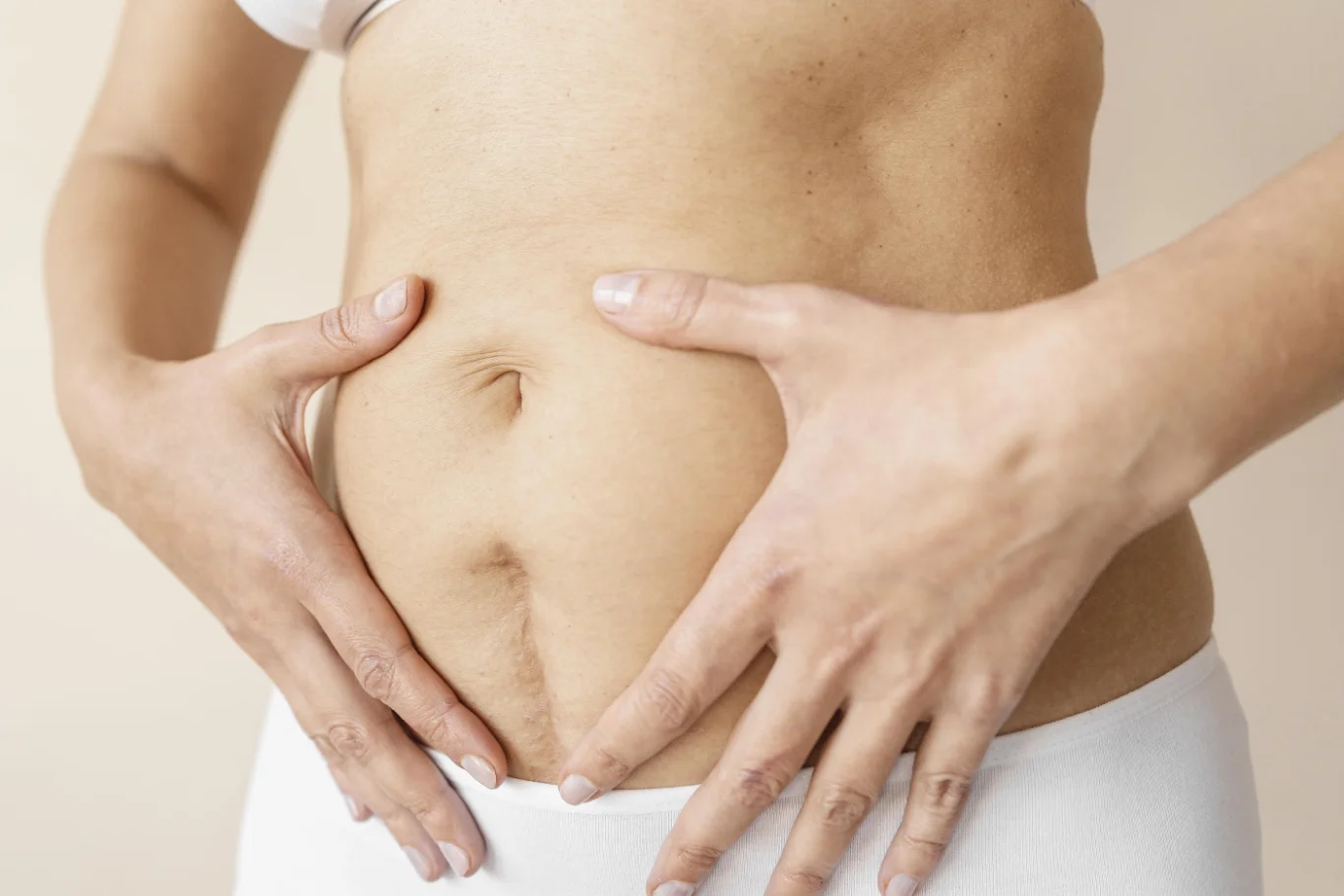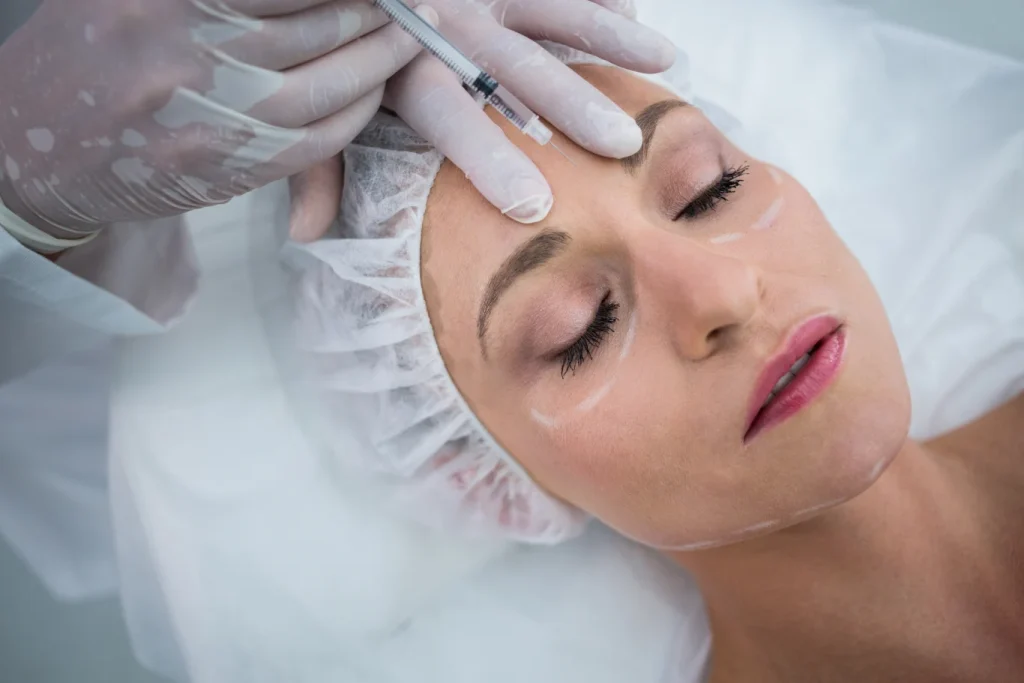
Non-surgical body contouring is one of the most misrepresented treatment categories in Dubai’s aesthetic market. Clinics advertise inch loss per session, before-and-after photos taken at different angles, and language that sounds a lot like weight loss. Most of what’s marketed is technically accurate but practically misleading unless you understand what these treatments are actually designed to do.
The honest version: radiofrequency body tightening and ultrasonic cavitation are real, evidence-supported treatments for specific concerns. They work for the right candidates in the right situations. They don’t substitute for weight loss, they don’t address visceral fat, and combining them without understanding what each does produces inconsistent results. This guide explains the actual mechanisms, the appropriate candidates, and how to sequence them sensibly.
The Two Main Non-Surgical Tools
Radiofrequency (RF) body tightening delivers controlled heat into the dermis and the fibroseptal network beneath it. The heat causes immediate collagen contraction and, over four to six weeks, stimulates new collagen synthesis. The result is improved skin firmness, reduced laxity, and a modest change in circumference in the treated area. RF addresses skin quality — the texture, tone, and degree of laxity — rather than the volume of fat beneath it.
Ultrasonic cavitation uses low-frequency sound waves to create micro-pressure changes around subcutaneous fat cells. These pressure changes disrupt the fat cell membranes, releasing their contents into the interstitial fluid, where the lymphatic system processes them. The result is a modest reduction in circumference in the treated zone over a series of sessions. Cavitation targets the fat layer, not the skin above it.
The distinction matters practically. RF is the right choice when the concern is laxity — skin that lacks firmness or has become crepe-like after weight loss or pregnancy. Cavitation is the right choice when the concern is a localised, pinchable fat pocket with decent skin tone. When both are present, both can be used in sequence or alternated across sessions.
What These Treatments Are Not
Neither RF nor cavitation is a weight loss tool. The fat that cavitation disrupts is subcutaneous fat — the layer directly under the skin that you can pinch. Visceral fat, which sits around the abdominal organs and is the fat most associated with metabolic health risk, is not reachable by any external device. If your goal is overall fat loss or weight reduction, these treatments won’t deliver that, and starting a body contouring programme before getting closer to your stable weight will produce minimal visible results.
Clinical consensus is consistent on this: the ideal candidate for non-surgical body contouring is someone at or near their healthy weight who has a specific localised area that hasn’t responded to diet and training. Contouring refines; it doesn’t transform.
Candidacy: Who Gets the Most From It
Good candidates for RF tightening: Mild to moderate skin laxity on the abdomen, flanks, thighs, upper arms, or above-knee area. Patients who have lost weight and find the skin hasn’t fully tightened. Post-pregnancy skin that’s been cleared by their clinician. Those who want progressive, natural-looking improvement without downtime.
Good candidates for cavitation: Near their healthy weight with a stable, specific small fat deposit — lower abdomen, love handles, inner or outer thighs, upper arms. Decent skin tone in the area (if laxity is significant, RF should come first or alongside). People who understand the results are circumferential change, not scale weight change.
Not suitable right now: Anyone significantly above their target weight, pregnant, with implanted electronic devices in the treatment zone, with active skin infection in the area, or with uncontrolled medical conditions. Metal implants, varicose veins in the treatment area, or recent surgery all require clinician review before proceeding.
How to Sequence Them
When both laxity and a localised fat pocket are present in the same area, the practical approach is to address them in the same programme rather than waiting for one to resolve before starting the other.
A common sequence for the abdomen: alternate RF and cavitation sessions, spaced one to two weeks apart, across eight to ten sessions total. RF addresses skin quality in every session; cavitation targets the fat layer in alternating sessions. Hydration and walking in the 48 hours after each cavitation session support lymphatic processing of the disrupted fat.
For areas where laxity is the dominant concern and fat volume is minimal, RF alone across four to six sessions is usually sufficient.
For areas where a fat pocket is present but skin tone is good, cavitation alone across four to eight sessions is appropriate.
For more on choosing between the two tools by concern, see RF Body vs Ultrasonic Cavitation in Dubai.
What Results Look Like and When
RF results build gradually. Some firming is noticeable within a few sessions, but peak collagen remodelling takes eight to twelve weeks from the last session. Patients who review results immediately after completing a course consistently underestimate the final outcome — the skin continues improving for weeks after treatment ends.
Cavitation results typically become visible in clothing fit more than on the scale. Circumference measurements in consistent conditions — same time of day, same tape placement — track progress more accurately than weight. Visible change generally becomes apparent from sessions three to four onwards, provided hydration and activity levels are on point.
Neither treatment produces permanent results independently of lifestyle. Returning to significant weight gain will re-deposit fat in the treated areas. Maintaining results over the long term requires stable weight and, for RF results, occasional maintenance sessions every six to twelve months as collagen naturally ages.
Practical Points for Dubai
Dubai’s heat doesn’t affect the treatments themselves, but it does affect aftercare. The recommendation to stay well-hydrated after cavitation sessions and to keep light activity going is easier to follow when you’re not in peak summer — walking in 42-degree heat isn’t practical. Morning or evening sessions in summer months, or moving the light walking to an indoor setting, are reasonable adaptations.
For post-pregnancy body contouring specifically, including timing and what to expect, see Post-Pregnancy Tummy in Dubai. For the male-specific approach to abdominal and flank contouring, see Men’s Abdomen and Flanks in Dubai.
For aftercare covering the general guidelines that apply across body treatments, see the Dubai Aftercare Guide.