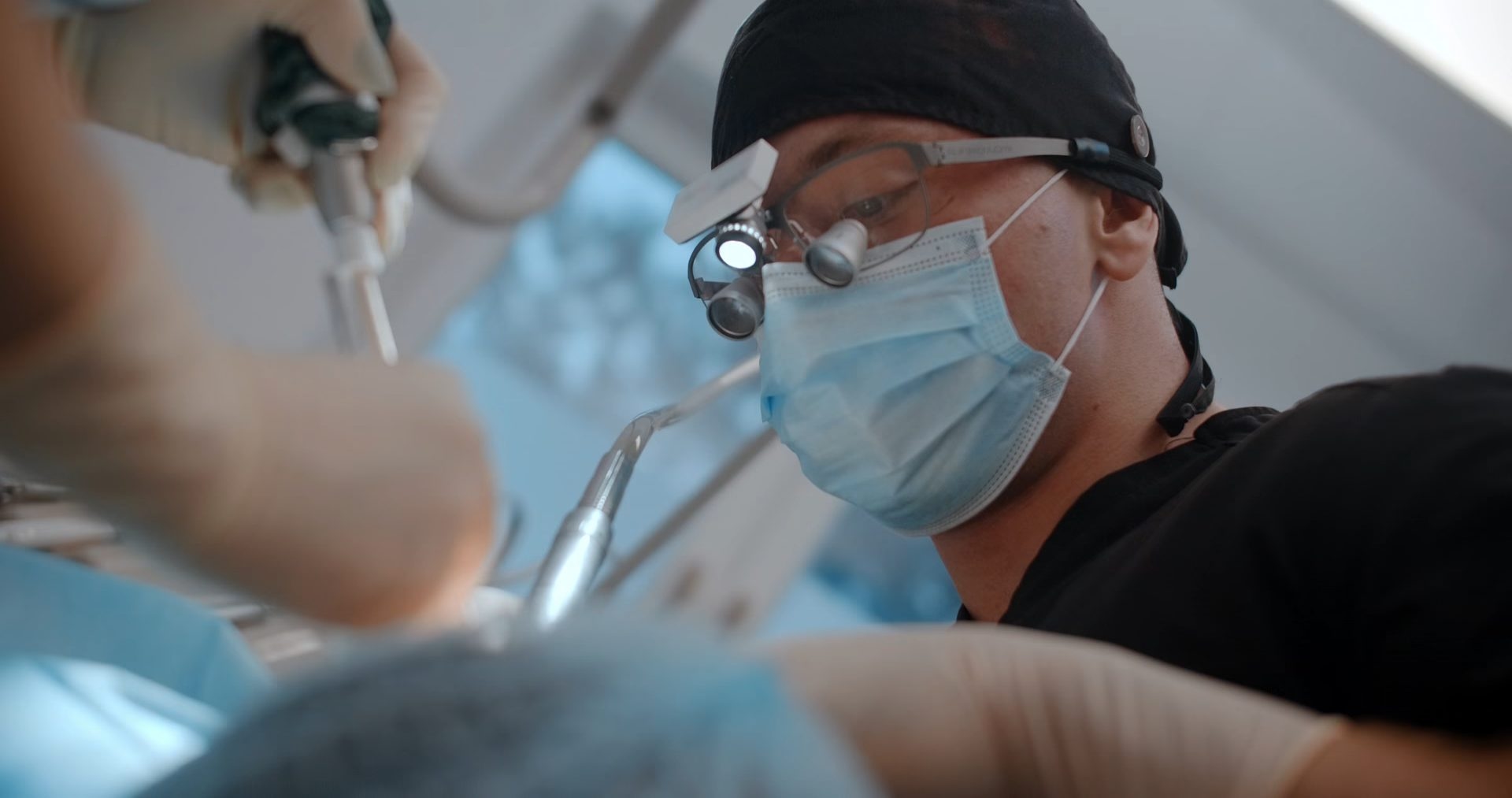

Built for UAE healthcare
The AI front desk built for modern eye care practices.
Rābetica answers calls, replies on WhatsApp, books appointments, and helps patients understand their eye conditions and treatments, from routine exams to surgical procedures, so your practice never misses a new patient.
Not a generic assistant. An ophthalmology specialist.
From the first WhatsApp message to the day of the exam, Rābetica speaks your patients' language, conditions, procedures, insurance questions, and scheduling, so every conversation feels like it's coming from someone who knows eye care.
It also follows up after treatment, checking in on recovery, reminding patients about follow-up visits, and re-engaging patients who haven't booked their next appointment, so your practice stays connected long after they leave the clinic.


agents





Say hello to Charlotte
Meet your clinic's AI agents.




Say hello, or type below.
Every chat is a chance to grow your practice.
communicate and engage with your patient
Rābetica knows your exams and treatments inside and out, so when a patient asks about LASIK or mentions blurred vision, it naturally suggests the right appointment, right there in the conversation, turning everyday questions into booked exams.


Reduce patient no shows, replaces more bookings converted from every conversation.
- faster at answering patients
- 4X
- more appointments booked
- %35
- communication coverage
- 24/7
- reduction in patient no shows
- %46
Results you can measure.
Your AI front desk that answer every patient, 24/7.

Eye exam questions, answered at midnight

LASIK enquiries turned into consultations

Post-op check-ins patients actually reply to

Annual eye tests booked without a phone call
Arabic and English, in the same thread
Frequently asked questions
Yes, from your own clinic's list — which exams and consultations you offer, who runs them and how long each takes. A patient asking what a full eye test covers, or what happens at a first consultation, gets your answer; anything Rābetica has not been told goes to your team.
Yes, in the same thread, with no app to install and no portal to sign into. Rābetica checks live availability in your existing calendar, offers slots that really exist, and confirms, moves or cancels the appointment on the spot.
Yes — what the procedure involves, what the assessment covers, and what your clinic offers alongside it — and then it books the consultation. Whether a particular patient is suitable is decided in your clinic, so that is the one question it leaves alone.
Yes, in your clinic's own words: how long to allow on the day, who should drive them home, when they come back for the post-operative check. It repeats your instructions rather than writing new ones, and a question about a patient's own recovery goes to your team.
It answers from the prices your clinic gives it and says what each one includes — and, where you have told it, which insurers you accept. An individual claim, an approval, or a case that has to be seen before it can be priced goes to your team.
Yes. It checks in after the procedure, reminds patients of their post-operative visits and of their next annual test, and lets them confirm or move an appointment in a single reply — so the follow-up schedule does not depend on somebody at the desk finding time to call.
Yes, and it is one of the things that takes most off your desk. From what the patient describes, it works out whether they are asking for a routine sight test, a contact-lens fitting or a surgical consultation, and books the right length of appointment with the right clinician.
That boundary is built in. Rābetica does not diagnose and does not interpret symptoms, so blurred vision, pain, or anything about a patient's own eyes goes straight to your clinical team with the full history attached, and your staff can take the thread over mid-conversation.